Podiatry care in Hadera · Sarah & Steven Chemama

Podiatry in Hadera,
personal care at every step.

Professional foot care, tailored to you and explained in clear, friendly terms — in Hadera.

Personal, attentive care Extensive clinical experience Custom orthotics
Sarah and Steven Chemama, podiatrists in Hadera
Sarah & Steven ChemamaPodiatrists · Hadera
Care that begins by listeningand is tailored to you

Clinic services

Healthy feet
start with thoughtful care.

Assessment and treatment for a range of foot concerns, with clear explanations and recommendations tailored to your needs.

Ingrown toenail care 01

Ingrown toenails

A nail edge presses into or grows into the surrounding skin, which can cause pain, redness or swelling.

Learn moreShow less

An assessment looks at the nail, surrounding skin, nail trimming and pressure from footwear. Care is tailored to the area and its sensitivity. For recurring cases, orthonyxia may be considered after an assessment.

Full service details
Care for corns and calluses 02

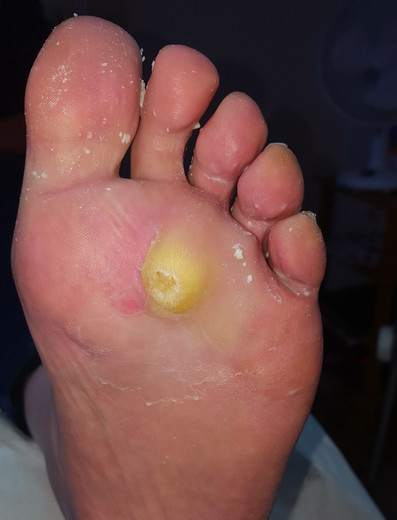
Corns and calluses

Thickened skin often develops after repeated pressure or friction and can feel tender when walking.

Learn moreShow less

A podiatrist can carefully reduce excess thickened skin and look for pressure points. Footwear changes or suitable padding may help reduce friction; recommendations depend on the assessment.

Full service details
Care for a plantar wart 03

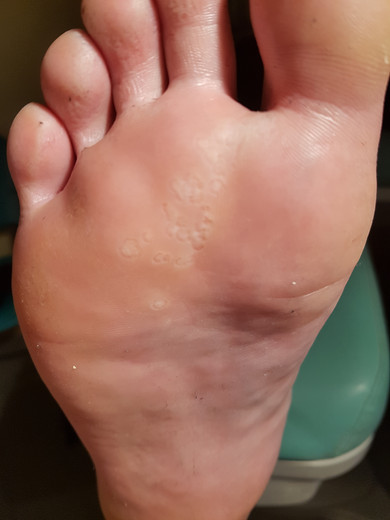
Plantar warts

A plantar wart can look like thickened skin and may hurt when pressure is placed on it.

Learn moreShow less

An assessment helps determine whether a lesion may be a viral wart and what care or follow-up is suitable. Seek medical advice if it changes, spreads, bleeds or becomes very painful.

Full service details
Care for cracked heels 04

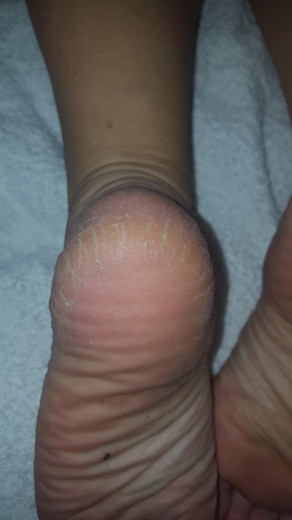
Cracked heels

Dry, thickened heel skin can split and cause discomfort or pain.

Learn moreShow less

Care may include gently reducing thickened skin where appropriate and advice on skin care. A deep crack, bleeding, redness or signs of infection should be assessed by a medical professional.

Full service details
Care for fungal skin and nail concerns 05

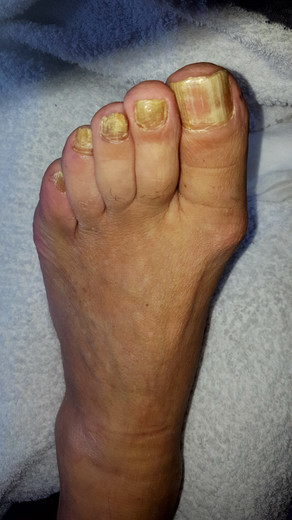
Fungal skin and nail concerns

Fungal infections can affect the skin or nails; nail changes can also have other causes.

Learn moreShow less

A professional assessment helps review the skin and nails and whether medical testing is needed. You can also receive guidance on foot care, hygiene and reducing recurrence.

Full service details
Diabetic foot assessment 06

Diabetic foot care

Diabetes can reduce sensation in the feet, making it harder to notice rubbing or a wound.

Learn moreShow less

An assessment includes checking the skin and nails and discussing a regular care routine. If you notice a wound, redness, swelling or a change in skin colour, contact your doctor or care team promptly.

Full service details
Orthonyxia nail device 07

Orthonyxia for the nail

Orthonyxia is a small device attached to the nail that may help in some recurring ingrown toenail cases.

Learn moreShow less

A podiatrist checks the nail shape and surrounding skin to see whether this method may be suitable. It is not right for every case, so suitability is assessed individually.

Full service details

Treatments follow careful hygiene practices and use sterilized or single-use instruments.

Walking and posture

Custom orthotics,
tailored to your feet and gait.

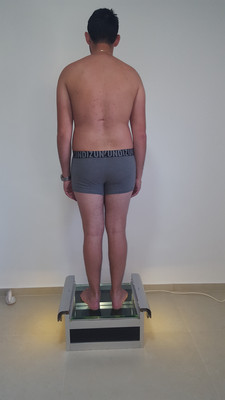
Custom orthotics are made following a clinical assessment of your feet, posture and walking pattern.

Ask or book about orthotics Full orthotics details
01

Clinical assessment

Assessment of the feet, ankles, knees and posture while standing and walking.

02

Made for you

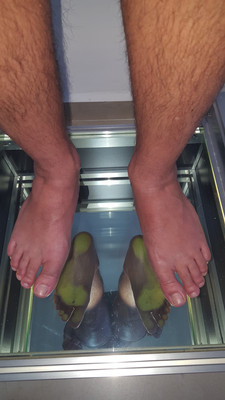
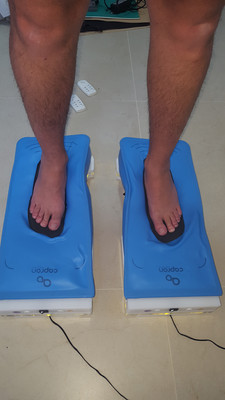
A foot impression is taken and the orthotics are shaped to your feet and needs.

03

Fitting in your shoes

The orthotics are checked and adjusted in your shoes with you present.

Please bring the shoes you usually wear and any medical imaging or test results you have.

Details about the assessment and fitting

What does the clinical assessment include?

The assessment looks at static and dynamic posture while standing and walking, and examines the lower limbs: feet, ankles, knees, hips, pelvis and spinal alignment. The findings help identify factors that may be linked to discomfort or difficulty walking and whether custom orthotics may be suitable.

How may orthotics help?

Custom orthotics are medical devices made for the individual. For some difficulties related to posture, walking or running, they may support movement and pressure distribution, and may help prevent, reduce or correct problems affecting the foot, ankle, knee, hip or back. Suitability and goals are assessed individually.

Foot impressions and making the orthotics

An individual foot impression is taken. The orthotics are then heated and moulded to match the shape of the feet, with the intended action in three planes of movement.

Workshop production, checking and fitting

The orthotics are made in our workshop, then checked and adjusted inside your shoes with you present. They can be adapted for everyday, work or sports footwear according to your needs. Please bring the shoes you usually wear and any available imaging or medical records.

Sarah and Steven Chemama, podiatrists in Hadera

A little about us

Professional care,
a human approach.

We are Sarah and Steven Chemama, podiatrists in Hadera. We take time to listen, assess carefully and explain each step.

We trained in France at the Boris Dolto Foundation in Paris and gained hospital experience in diabetes care, orthopedics, oncology and geriatrics.

Clinical assessmentTailored careClear explanations

We’re here to help

Have a question
or need an appointment?

Get in touch. We’ll be happy to answer your questions and help arrange a visit.

The clinic is in Hadera and also welcomes patients from Or Akiva, Caesarea and Haifa.

Message us on WhatsApp
Hours

Sun–Thu08:30–19:00

Friday08:30–13:30

Home visits by prior arrangement.
Book on WhatsApp